

In today’s digital age, social media presence is vital for businesses and individuals alike. Understanding your audience and their behavior can greatly improve engagement and content strategy. One crucial tool in this analysis toolkit is the followers reports, which provides insight into who follows you, who unfollows you, and how your audience grows or shrinks over time.
What Are Followers Reports?
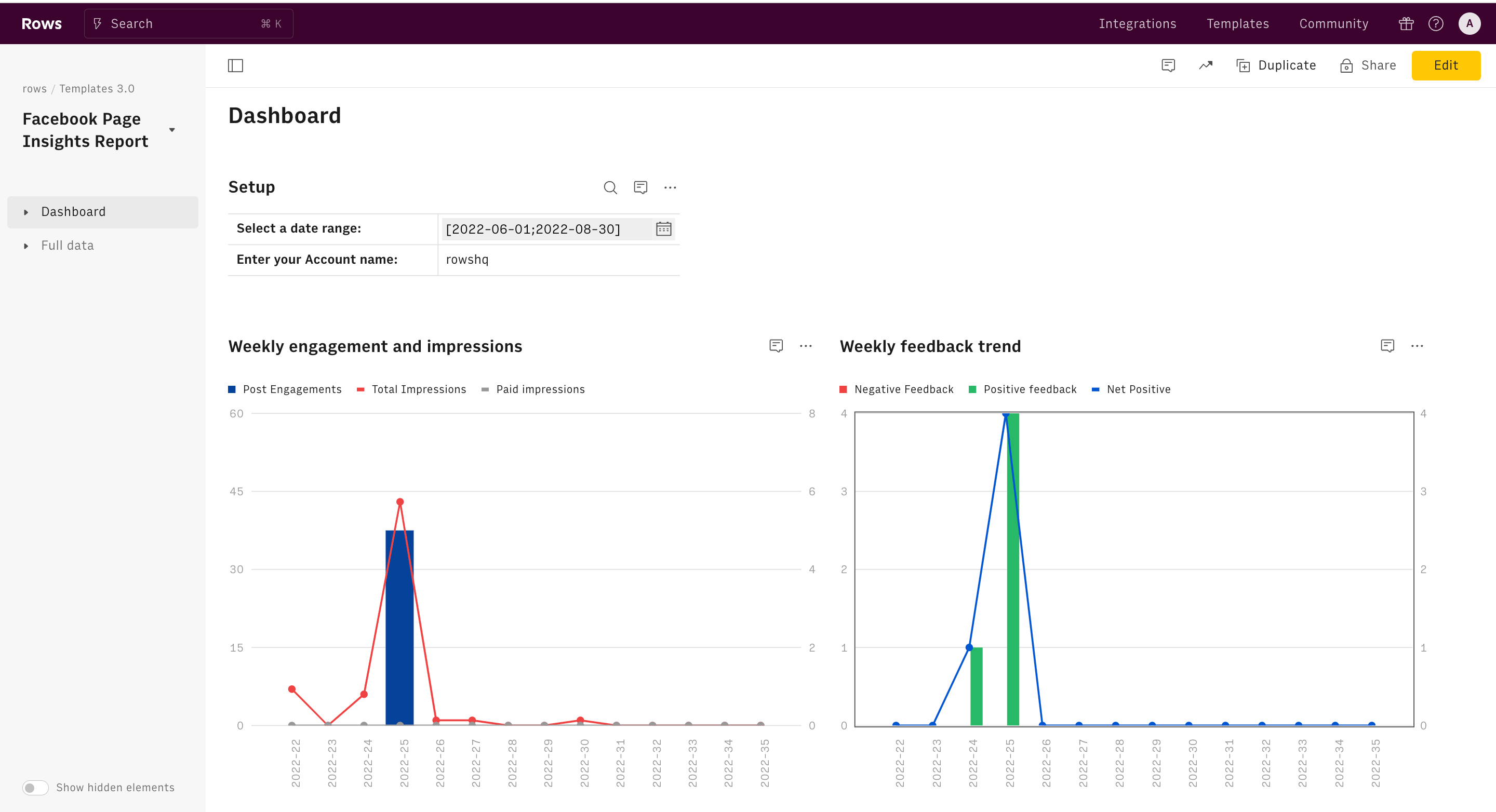
Followers reports are analytics that provide detailed information about your social media followers. They typically include metrics such as the number of followers gained or lost over a specific period, engagement rates, and insights into your audience’s demographics. Platforms like Instagram, Twitter, and Facebook offer some analytics, but third-party tools often provide deeper insights and reporting capabilities.
Why Are Followers Reports Important?
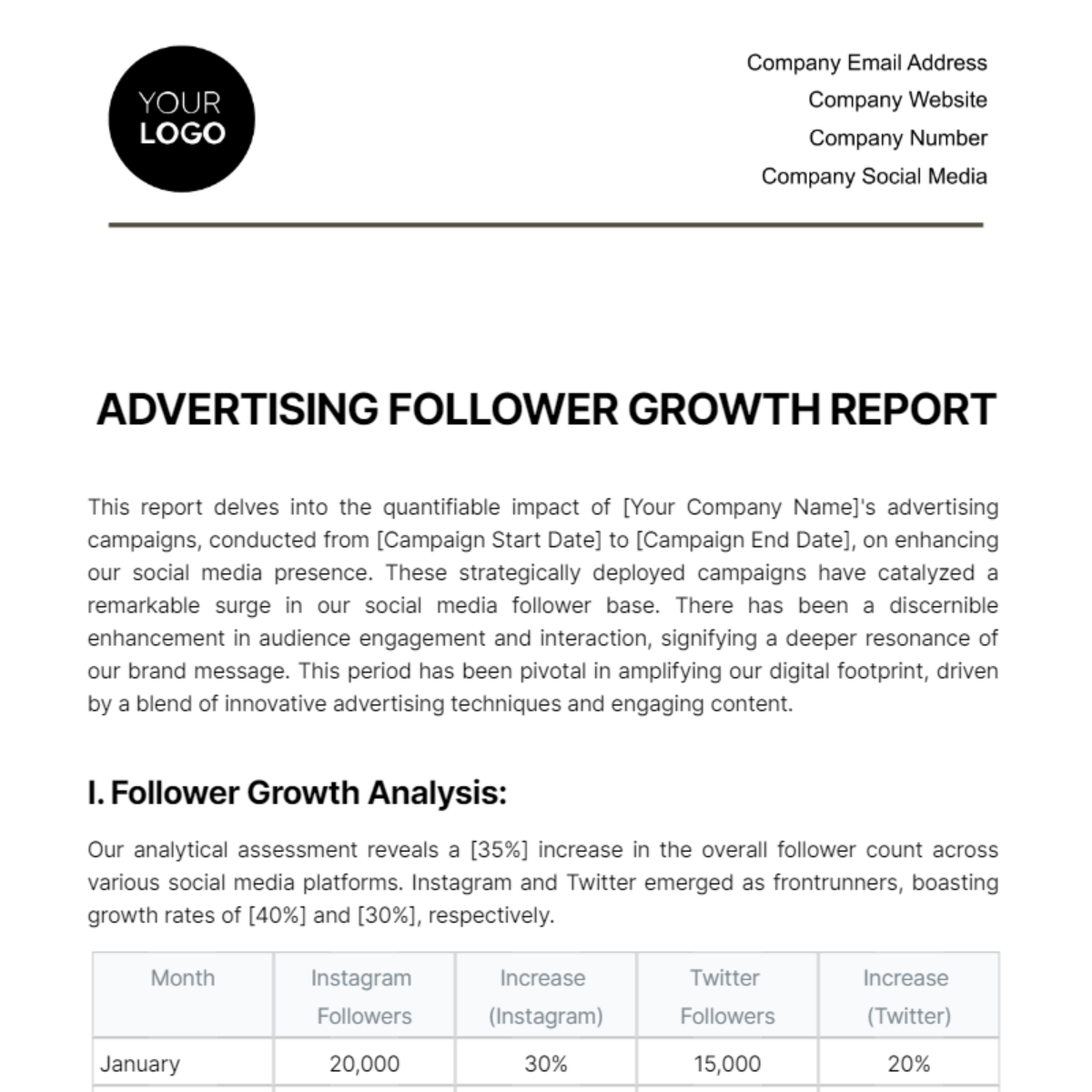
Understanding followers reports helps businesses and influencers gauge their social media performance and adapt their strategies accordingly. Here are several reasons why these reports are essential:
- Audience Understanding: By tracking who follows and unfollows you, you can identify trends and adjust your content to better suit your audience’s preferences.
- Engagement Insights: Followers reports help you quantify engagement metrics, enabling you to understand what types of content resonate with your audience.
- Content Strategy Refinement: Knowing when followers gain or drop can guide the timing and type of content you share, ultimately improving your social media strategy.
- Competitive Analysis: By monitoring follower changes, you can assess how your performance stacks up against competitors, allowing you to make data-driven decisions to enhance your presence.
How to Read Followers Reports
Reading followers reports can initially seem daunting, but breaking it down into key components can make it easier. Here are some elements you should focus on:
- Follower Growth: Measure the rate of follower growth over your reporting period. A steady increase is positive, while a rapid fluctuation may indicate problems.
- Unfollower Tracking: Some tools report on who has unfollowed you. Understanding this can help you identify potential reasons for the decline in followers.
- Engagement Metrics: Look for statistics related to likes, shares, comments, and the overall engagement rate. These numbers tell you how well your content resonates with your audience.
- Demographics: Many platforms offer insights into your followers’ demographics, such as age, location, and interests. This information can help tailor your content more precisely.
Tools for Analyzing Followers Reports
Several tools can help you gather and analyze followers reports effectively. Here are a few popular options:
- Instagram Insights: If you have a business profile on Instagram, you can access insights directly from the app, providing a basic overview of your followers and engagement metrics.
- Twitter Analytics: This native tool allows you to see tweet impressions, engagement, and follower changes over time, helping you shape your Twitter strategy.
- Facebook Page Insights: If you manage a Facebook page, you can access a wealth of information about your audience demographics, reach, and engagement levels.
- Third-Party Apps: There are numerous third-party applications like reports unfollow tracker, that offer more granular insights and allow for in-depth tracking across multiple social media platforms.
Common Mistakes to Avoid
While using followers reports can greatly enhance your social media strategy, it’s easy to make mistakes. Here are some common pitfalls:
- Focusing solely on follower count rather than engagement metrics.
- Failing to adjust strategies based on insights gathered.
- Neglecting audience feedback and sentiment analysis.
- Using followers reports sporadically instead of regularly for consistent monitoring.
Conclusion
In summary, followers reports are a crucial tool for understanding and improving your social media presence. By analyzing follower trends, engagement metrics, and demographic information, you can create a more targeted and effective content strategy. Whether you use native analytics tools or third-party applications, staying informed about your audience will enable you to adapt and thrive in the ever-changing digital landscape. Make the most of your followers’ insights, and watch your social media success grow!