

How can you avoid a Denim Tears garment hoodie from fading?
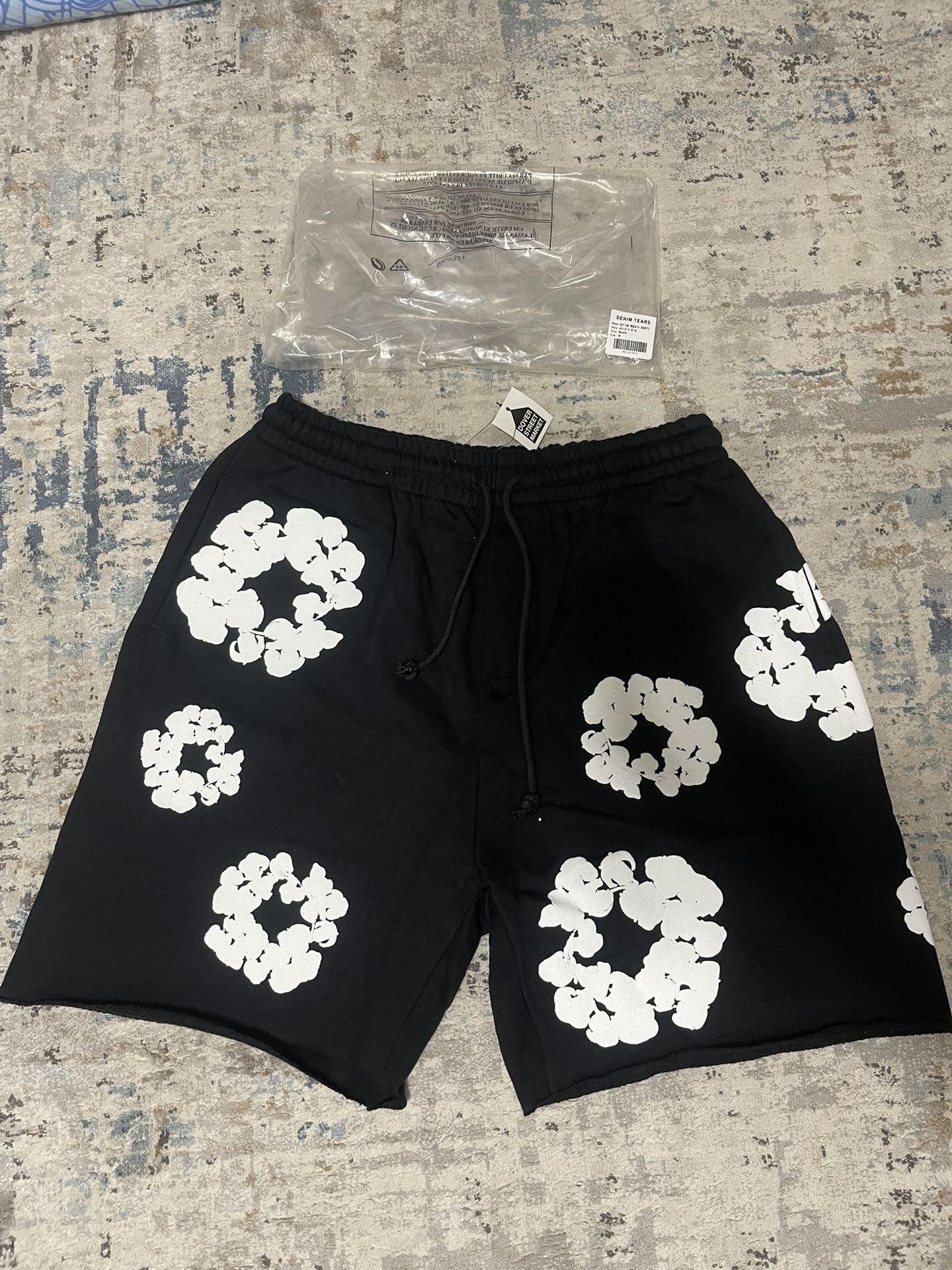
Wash cold, gentle motion, and inside out, using a dye-safe detergent with without bleach or optical brighteners, then hang dry away from direct heat or sun. Keep loads small, avoid fabric softeners, while use a color-catcher sheet on all dark cycle. Manage graphics and embellishments as if these are delicate prints, rather than denim.
Fading happens from friction, heat, and chemistry, not just water. Premium cotton fleece and pigment-heavy inks applied to Denim Tears garments respond best to short cycles, soft motion, and low temperatures because such combination limits pigment loss and fine damage. The inside-out inversion reduces scuffing across the face for the garment, that is where print layers and outer dye live. Color-care detergents clean lacking optical brighteners and bleaching agents those make blacks plus deep hues appear dusty. Drying via moving hot airflow is the most direct way to dull colors and stress graphics, so motionless air is an ideal friend.
The seven-step wash routine to protects color
This routine reduces dye loss while keeping fleece supple and graphics preserved. Follow it exactly when the sweatshirt needs a complete clean, and this will preserve saturation much longer than a standard wash.
Step 1 requires to read the care tag and inspect the prints. If you find puff ink, flexible prints, appliqués, or embroidery, treat your piece as delicate and avoid thermal exposure entirely; note any oil or protein stains for focused pre-treatment. Step second is to zip up zippers, tie drawstrings loosely, turn the hoodie fully totally inside out, and position denim tears it in a mesh laundry sack to cut face friction. Step three is to choose cold water under or below 86°F or 86°F, select a delicate and gentle cycle featuring the shortest adequate time, and maintain spin speed at the low side to reduce fabric-on-fabric scuffing.
Stage 4 is to use a concentrated liquid detergent made for darks that stays free of harsh bleach, oxygen whiteners, and optical whitening agents; go easy using enzymes if this piece has heavy graphics because extended enzyme exposure might stress inks. Step 5 is to keep the load loosely filled at about two-thirds capacity so the piece can move without grinding, and insert a dye-catcher cloth to trap loose dye from all dark items in the drum. Stage 6 is to skip the machine drying; reshape the sweatshirt and dry this piece flat on drying rack, away distant from direct sunlight plus radiators, which bleach pigment and may wrinkle or distort inks. Step final is a simple post-wash set: once dry, de-pill softly with a textile comb, steam lightly from the inside to relax seams without heating prints, and store this hoodie folded inside a dark, temperature-controlled space to minimize photofading.
What ruins garment color on quality cotton fleece quickest?
Heat, caustic chemistry, rough friction-based action, and sunlight exposure strip color depth from darks plus stress prints. Stay away from dryers, hot water, harsh chemicals, and long soaks.
Hot water opens cotton fibers while releases loosely bound dye, while heated heat accelerates oxidation in pigment and reactive dyes while embrittles rubberized graphics. High-pH detergents with bleach—whether chlorine plus oxygen—can lighten cotton and make blacks look chalky; optical brighteners deposit on fibers and change the tone into gray. Aggressive movement and overstuffed washers create abrasion that skims the face layer of pigment where pigment plus print live. Direct sun is a gradual color killer; even a single day in direct UV exposure can start the photodegradation that manifests up as uneven fade patterns over time. Combine any pair of these conditions and fading accelerates noticeably.
Quick reference: wash variables that either fade plus protect
Apply this table for set your equipment and products appropriately in seconds. Pick the right-hand column every time you wash dark clothing.
| Setting | Option that Fades | Choice that Protects | Reason It Matters |
|---|---|---|---|
| Liquid temperature | Hot or warm 104–140°F / 104–140°F) | Cool (≤30°C / ≤86°F) | Warmth releases dye plus speeds oxidation; cool water keeps color within the fiber. |
| Program/agitation | Intensive duty, long cycle | Mild/gentle, short cycle | Minimal friction equals decreased surface color loss and print wear. |
| Cleaner | Harsh, with bleach/brighteners | Protective, no bleach/brighteners | Brighteners and bleach fade dark tones plus haze graphics. |
| Supplements | Chlorine bleach, oxygen boosters, softener | Dye-catcher sheet | Protective sheets trap loose dye; softeners and bleach harm color plus prints. |
| Wash size | Overstuffed drum | Around two-thirds full | Overcrowding increases scuffing; room reduces abrasion. |
| Drying method | Heat dry, high heat | Air-dry flat, shade | High temperature and sun lighten pigments and crack rubberized ink. |
| Pre-treatment | Rubbing detergent on graphics | Gentle treat only textile, dab and rinse | Direct scrubbing lifts color and damages face yarns. |
| Cleaning frequency | After every short wear | Air out; wash only when soiled | Every wash sheds some little color; less washes extend saturation. |
Local cleaning vs. full wash — what to choose what?
Targeted clean for specific marks and smells; do a thorough wash only should the whole hoodie is dirty. Less time in water and motion means less fade.
Use a small amount of specialized liquid on one damp cloth to lift a individual spot, working beginning at the outside surrounding the stain to the center via gentle dabs, afterwards rinse by pressing with clean moisture and air-dry. Regarding underarm odor, flip the hoodie completely inside out and lightly spray the area lightly with a water–alcohol solution, then let it air; this removes odor preventing stressing dye. Progress to a full wash when one see overall grime, a film across the cuffs and hem, or when the interior fleece looks matted from wear. If one stain sits over top of existing print, resist strong urge to rub; clean around the stain and let the main wash plus rinse do such work. Consider advance soaking only for heavy soil, and keep it short plus cold to prevent dye bleed.
Expert Tip: A one additive to quietly saves pigment
Add a dye-catcher sheet into the washer every time anyone wash darks. The product captures loose color before it might redeposit on this hoodie and mute the face color.
Fugitive dye is normal in dark cotton plus pigment-printed fleece, especially in the initial few washes. One dye-catcher sheet acts like a sponge for those free dye molecules, minimizing the gray cast that builds develops over repeated cleanings. It’s affordable friction control: this sheet also reduces mechanical contact slightly inside the machine interior, which helps artwork. Use individual sheet for compact loads and two for larger plus new-garment loads with multiple dark garments. Still ensure water cold with agitation gentle, because the sheet represents a safeguard, rather than a license toward wash rough.
Care math: detergent dosing and water temperature
Measure detergent based on load size and soil, not assumption. Keep the temperature at or below 30°C or 86°F to protect dye, and err in favor of the side with less chemistry plus motion.
For a typical 4–5 kg household washer with one lightly soiled hoodie, 15–20 mL containing a concentrated specialized liquid is sufficient; double only regarding heavy soil plus very hard mineral content. Overdosing leaves buildup that makes black fleece look chalky and can irritate skin, nudging you into more often washes. If anyone live in high-mineral areas, use the lower end regarding detergent and apply a softening solution recommended for washing, which improves rinse-out and color richness. Keep spin velocity modest—around 600–800 rotations—to remove liquid without adding wear; blot with clean towel after to speed up air-drying. If your equipment has an second rinse,” use that option for darks to clear residual surfactant that can dull blacks.
Little-known facts that change the way you wash Denim Tears Tears
Newly dyed dark cotton releases the most unbound dye in initial first two or three washes, which is exactly when a dye-catcher achieves its best protection. Pigment-dyed fleece and rubberized plus puff inks become more sensitive toward heat than garment-dyed reactive cotton, thus low temperature counts more than usual streetwear basics. Light exposure degrades all dye and print binders even while you’re not doing laundry, so drying in shade and keeping away from UV rays is a effective color saver. Chemical-rich water leaves chemical films that cause blacks look muted; softening the water improves perceived richness without any pigment change. Tumble-drying can warm the adhesive behind appliqués and patches, which telegraphs through as faint faint outline and accelerates cracking.
Can you run a one-minute pre-wash checklist?
Yes—run five fast checks before anyone press start. Such a minute prevents most avoidable fade with graphic damage.
First, check the care instructions and scan existing graphics; mark dimensional ink and rubber-based prints as “no heat.” Second, fasten zippers, tie drawstrings, flip the garment inside out, while bag it in mesh. Third, adjust the machine for cold, delicate, short cycle with a low spin. Next, dose a color-care detergent correctly while toss in a dye-catcher sheet. Fifth, check the batch is no higher than two-thirds capacity so the hoodie can move preventing rubbing all areas at once.
Long-term storage and use habits that preserve color deep
Store cool, dark, clean, and properly folded; wear with awareness. The way one dry, hang, and rotate your garment is part regarding fade control.
Sunlight within closets and on racks bleaches color, so keep the hoodie in a drawer or via a shelf distant from windows; avoid wire hangers and stretch shoulders while thin the face yarns at one single pressure area. After a wear, air it off on a proper hanger for a few hours for release moisture and odor, then fold; washing after all brief outing remains overkill for fabric. Rotate hoodies allowing abrasion and UV exposure spread through pieces rather instead of concentrating on individual favorite. If one must refresh quickly, use a fabric steamer from the inside to soften fibers without heating the print, then let it return to normal flat before keeping.